Sleep Better on the Plane – No Matter the Departure Time or Flight Duration

Sleep Better on the Plane – No Matter the Departure Time or Flight Duration
Getting quality sleep on a plane can feel impossible. Between engine noise, cramped seats, changing light, and constant movement around you, rest often seems out of reach—especially on long flights. But with the right preparation and a few smart strategies, you can actually improve your chances of sleeping well, no matter when or how long you fly. Here’s your guide to sleeping better in the air—whether you’re on a red-eye or a midday flight.
Prepare Your Body Before Takeoff
Good in-flight sleep starts long before you buckle your seatbelt. Your body will relax more easily if you prepare it for the journey.
- Adjust your sleep schedule: If you’re crossing time zones, start shifting your bedtime a few days before departure. Go to bed earlier or later depending on whether you’re flying east or west.
- Skip caffeine and alcohol: Both can disrupt your sleep cycle and make you restless. Stick to water or herbal tea instead.
- Eat light: A heavy meal before boarding can make it harder to fall asleep. Choose something easy to digest and avoid too much sugar or salt.
Choose the Right Seat
Where you sit can make or break your ability to rest. If you can select your seat, consider the following:
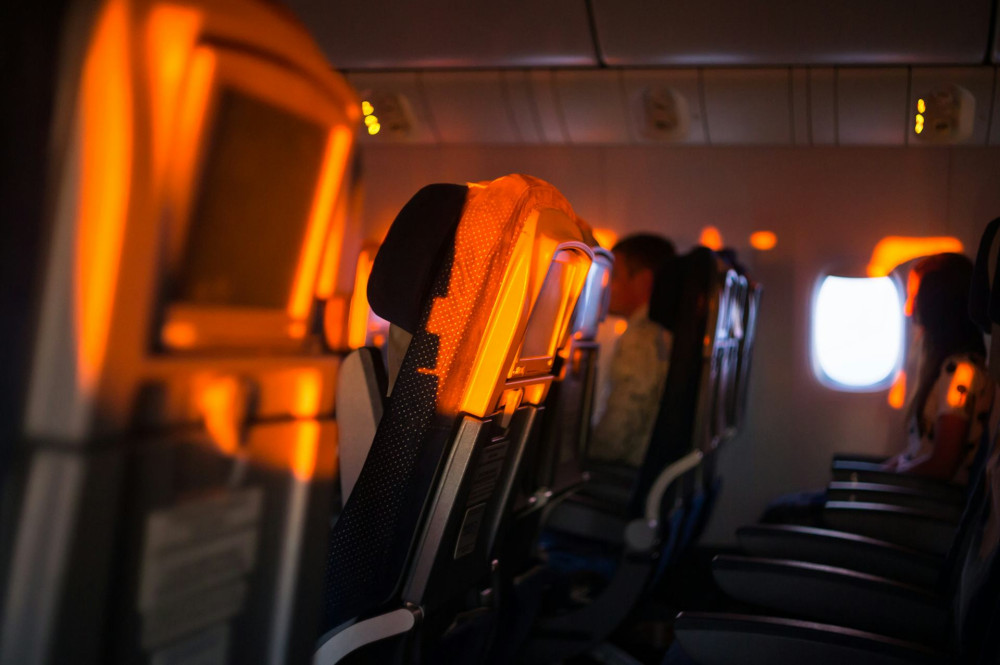
- Window seats are best for sleeping—you can lean against the wall and won’t be disturbed by others getting up.
- Avoid seats near restrooms or galleys, where there’s more noise and foot traffic.
- The middle section of the plane often feels more stable if you’re sensitive to turbulence.
Frequent flyers often check seat maps before booking—some aircraft have extra legroom or better recline options that make a big difference.
Create Your Own Sleep Environment
Even in a busy cabin, you can carve out a small zone of calm. The goal is to reduce sensory distractions and make your body comfortable.
- Use earplugs or noise-canceling headphones to block out engine hum and chatter.
- Wear an eye mask to shut out light, especially on daytime flights.
- Bring a travel pillow to support your neck and prevent stiffness.
- Pack a light blanket or large scarf—cabin temperatures often drop mid-flight.
Many travelers also find it soothing to listen to calming sounds or white noise. It helps your mind tune out the environment and drift off more easily.
Find the Best Sleeping Position
You may not be able to lie flat, but you can still find a position that helps your body relax.
- Recline your seat as much as possible without bothering the person behind you.
- Place a small pillow or rolled-up sweater behind your lower back for support.
- Avoid crossing your legs—it can restrict circulation.
- Use a footrest or small bag under your feet to relieve pressure on your legs.
If you’re feeling restless, do a few gentle stretches in your seat before trying to sleep. Loosening your muscles can make a big difference.
Adjust to the Time Zone
On long-haul flights, it’s not just about sleeping—it’s about sleeping at the right time.
- Flying east: Try to sleep early in the flight to align with the earlier time zone.
- Flying west: Stay awake a bit longer and sleep later in the journey.
- Use light strategically: Light helps reset your internal clock. Avoid bright light when you want to sleep, and seek it out when you need to stay awake.
A short nap of 20–30 minutes can also boost your energy without throwing off your rhythm too much.
Læs også:

After Landing – Help Your Body Recover
Even if your in-flight sleep wasn’t perfect, you can help your body bounce back quickly.
- Drink plenty of water to combat dehydration.
- Get outside into natural daylight as soon as possible—it helps your body reset.
- Avoid long naps if you arrive during the day. Try to stay awake until local bedtime to adjust faster.
A calm first day with light exercise, fresh air, and healthy food will help you feel normal again after a long flight.
Sleeping on a Plane Takes Planning – But It’s Possible
Sleeping well in the air isn’t just luck—it’s preparation. With the right habits, gear, and mindset, you can make even a long flight more restful. And the better you sleep en route, the sooner you’ll be ready to enjoy your destination—no matter where in the world you land.
Læs også: