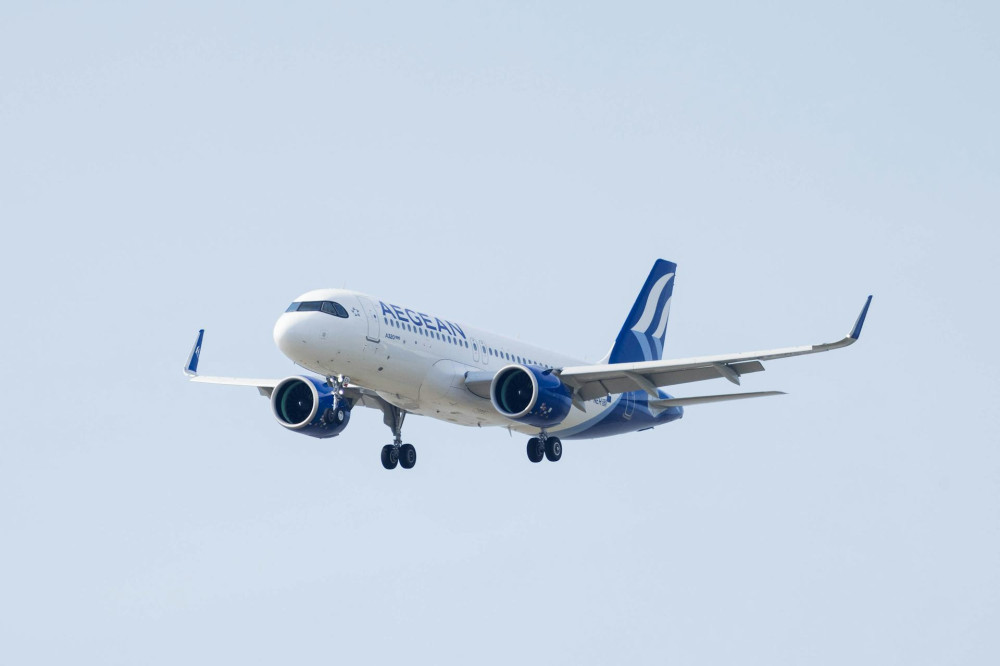
New Aircraft Types and Lightweight Materials: Lower Fuel Consumption, Reduced Emissions

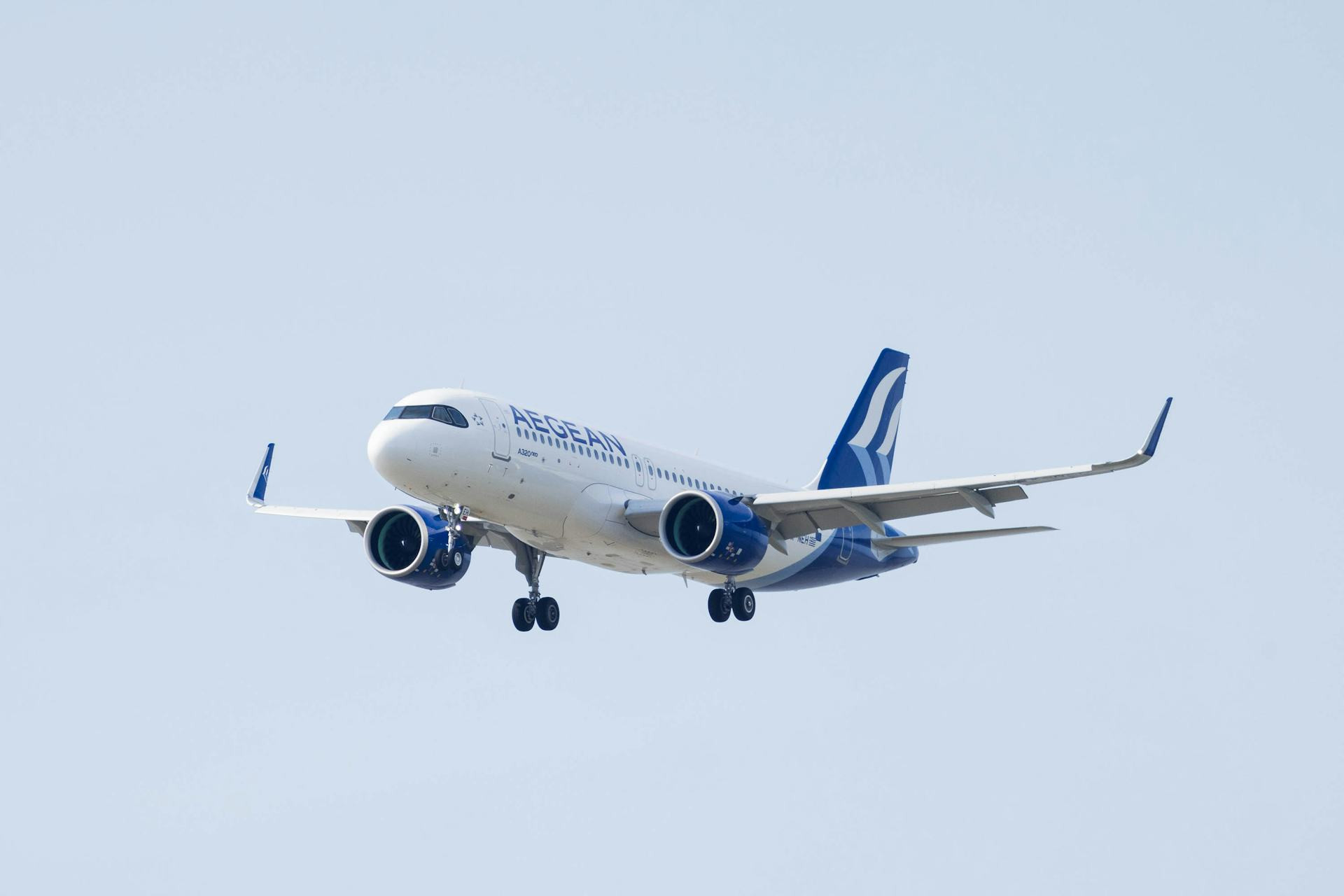
New Aircraft Types and Lightweight Materials: Lower Fuel Consumption, Reduced Emissions
Aviation is undergoing one of its most significant transformations in decades. New aircraft designs, lightweight materials, and more efficient engines are reshaping how we fly. The goal is clear: to reduce fuel consumption and cut carbon emissions—without compromising safety or passenger comfort. This shift is driven by rapid technological progress, stricter environmental regulations, and growing expectations from travelers and investors for more sustainable air travel.
Lighter Aircraft, Greater Efficiency
One of the most effective ways to lower fuel use is to make airplanes lighter. Every pound matters when an aircraft must lift itself miles into the sky. That’s why manufacturers like Boeing and Airbus have invested heavily in advanced materials that combine strength with reduced weight.
Where older aircraft were built primarily from aluminum, today’s models increasingly rely on composite materials—a mix of carbon fiber and resin that is both lighter and stronger. Boeing’s 787 Dreamliner, for example, is made of roughly 50 percent composites, saving several tons compared to traditional designs. The lighter structure means engines need less thrust to maintain flight, resulting in lower fuel burn and reduced CO₂ emissions.
Læs også:



Smarter Engines and Aerodynamic Design
Engines are another key factor in improving efficiency. Modern jet engines extract more energy from each gallon of fuel, operate more quietly, and require less maintenance than earlier generations. U.S. engine makers such as GE Aerospace and Pratt & Whitney are leading the way with high-bypass turbofan designs and geared turbofan technology that deliver double-digit improvements in fuel efficiency.
Aerodynamics also plays a crucial role. Engineers are refining wing shapes, smoothing surfaces, and adding advanced winglets that reduce drag. Even small design changes can make a big difference when an aircraft travels thousands of miles. The result is smoother airflow, less resistance, and measurable fuel savings on every flight.
Electric and Hybrid Aircraft on the Horizon
While large commercial jets still rely on jet fuel, the development of electric and hybrid aircraft is accelerating. Several U.S. startups and research programs—supported by NASA and the Department of Energy—are testing prototypes capable of flying short regional routes using electric propulsion or hybrid systems that combine batteries with conventional engines.
The technology isn’t yet ready for long-haul flights, but the potential is enormous. Electric motors produce zero emissions during flight, and when powered by renewable energy, the overall climate impact can be dramatically reduced. Industry analysts expect the first commercial electric flights in the U.S. to begin later this decade, particularly on short routes connecting smaller cities.
Sustainable Manufacturing and Recycling
Sustainability in aviation extends beyond flight operations. Aircraft manufacturers are rethinking how planes are built and retired. New production methods allow for greater recycling of materials when aircraft reach the end of their service life. At the same time, factories are cutting energy use and incorporating renewable power sources.
Major U.S. airlines are also setting ambitious sustainability goals, requiring suppliers to document environmentally responsible production and investing in sustainable aviation fuel (SAF) made from waste oils and other renewable sources. These efforts are part of a broader move toward a circular economy in aviation.
The Future of Flight: Cleaner, Quieter, and More Efficient
Although aviation still accounts for a notable share of global CO₂ emissions, progress is accelerating. The combination of lighter materials, smarter engines, and new energy technologies could reduce emissions per passenger mile by as much as 30 to 50 percent compared to older aircraft.
For travelers, the experience will remain familiar—comfortable cabins, reliable service—but behind the scenes, the aircraft carrying them will be cleaner, quieter, and far more efficient. The next generation of flight is taking shape, and it promises a more sustainable future for American aviation and the planet.
Læs også: