Stay Fresh on Long Train Rides with Short Breaks and Light Movement


Stay Fresh on Long Train Rides with Short Breaks and Light Movement
Long train rides can be a wonderful way to travel – you can relax, enjoy the scenery, and catch up on reading or podcasts. But after a few hours in the same seat, it’s common to feel stiff, tired, or unfocused. The good news is that a few simple habits can make a big difference. With short breaks, light movement, and a bit of planning, you can arrive at your destination feeling refreshed and energized.
Why Sitting Still Makes You Tired
When you sit for long periods, blood circulation slows down and your muscles become less active. This can lead to stiffness in your neck, shoulders, and legs – and sometimes even mild swelling in your feet or a dull headache. Staying still for too long can also affect your concentration and mood, since your body and brain both benefit from regular movement.
That’s why it’s important to build small breaks and stretches into your journey – even if you can’t leave the train for long.
Læs også:


Use Station Stops as Natural Breaks
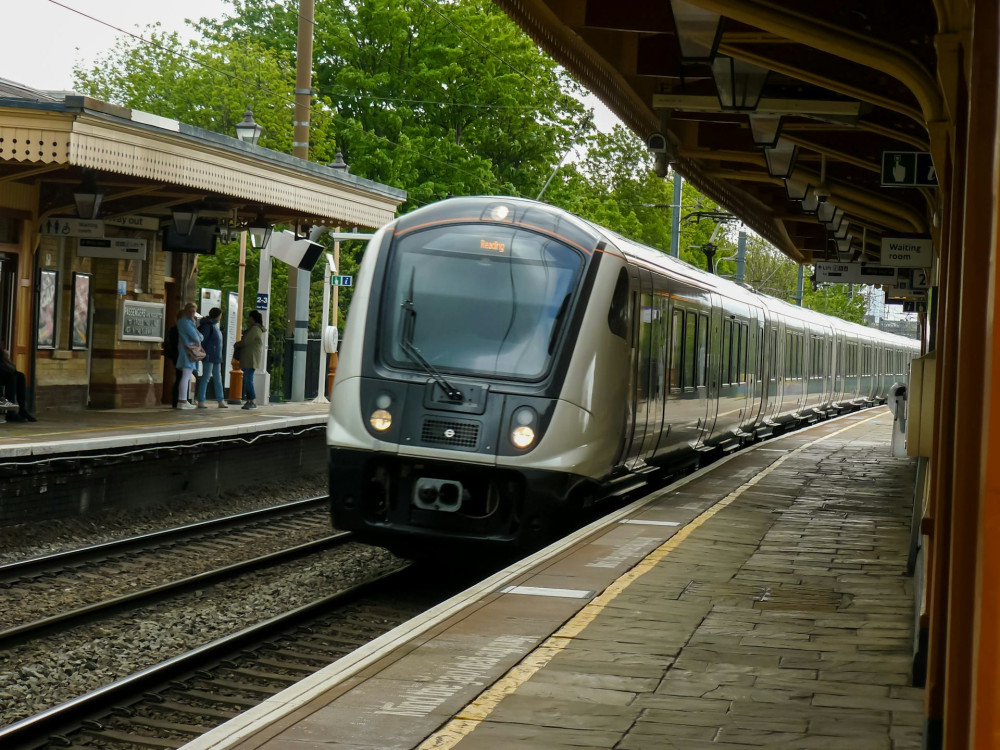
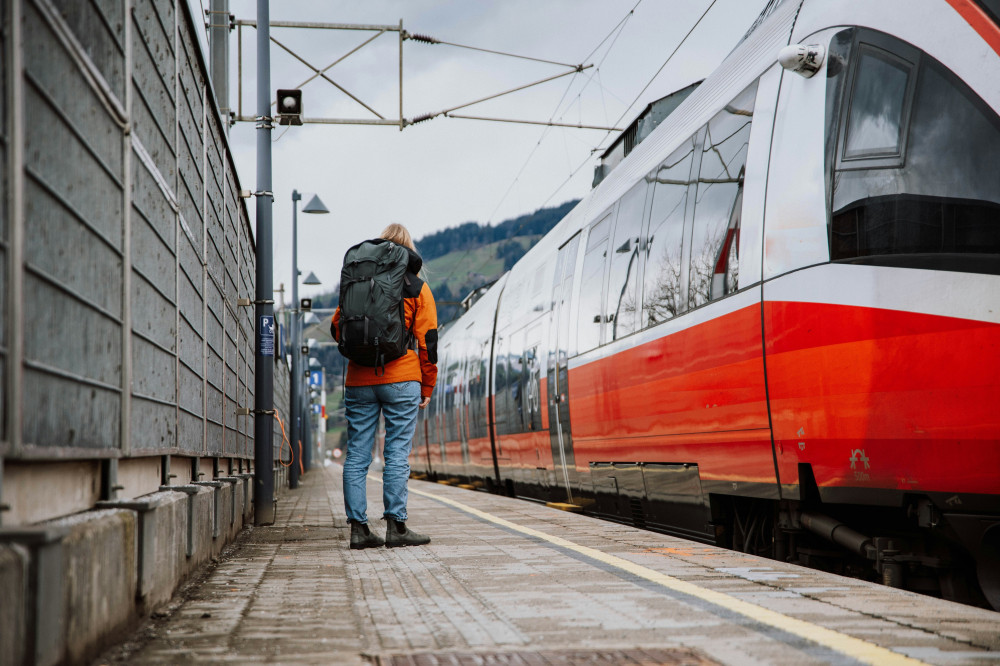
Most long-distance trains in the U.S. make several stops along the route. Even a few minutes off the train can help. Step onto the platform, stretch your legs, and take a few deep breaths. The fresh air and movement will boost circulation and help you feel more alert.
If you have a longer layover or transfer, use that time wisely:
- Take a short walk along the platform or through the station.
- Do a few simple stretches – roll your shoulders, reach your arms overhead, or bend forward gently to loosen your back.
- Drink some water instead of another coffee or soda – staying hydrated helps maintain steady energy levels.
Move While You Ride – Simple Exercises That Work
Even when the train is moving, you can keep your body active with small, discreet exercises that don’t disturb other passengers:
- Ankle circles: Lift your feet slightly off the floor and rotate your ankles in small circles to improve blood flow.
- Seated marches: Lift one knee at a time, as if you’re marching slowly in place.
- Shoulder rolls: Roll your shoulders forward and backward to release tension.
- Forward stretch: Lean gently forward and reach toward the floor, then slowly sit back up.
These small movements may seem minor, but over the course of a long trip, they can make a noticeable difference in how you feel.
Stay Hydrated and Eat Light
Dehydration can make fatigue and headaches worse, so keep a refillable water bottle with you and sip regularly. Try to limit coffee and sugary drinks, which can dehydrate you further.
When it comes to food, choose light, balanced snacks that won’t weigh you down. Fresh fruit, nuts, veggie sticks, or a whole-grain sandwich are great options that keep your energy steady without causing discomfort.
Plan for Longer Breaks on Extended Trips
If your train ride lasts more than four hours, it’s worth planning a longer break if possible. Many major stations in the U.S. – like Chicago Union Station or Washington D.C.’s Union Station – have nearby parks, cafés, or open spaces where you can stretch, walk, and get some fresh air before continuing your journey.
Make Movement Part of the Experience
Staying fresh on a train ride isn’t just about avoiding stiffness – it’s about enjoying the trip itself. Use your breaks as small moments to reconnect with your body and surroundings. You’ll not only feel better physically but also make the journey more pleasant and mindful.
Next time you settle into your seat, remember: even small movements count. A few stretches, a short walk on the platform, and a sip of water can be the difference between arriving tired and sluggish – or stepping off the train feeling relaxed and ready for what’s next.
Læs også: