Road Trip Through Europe: Experience Freedom, Flexibility, and Connection on the Road

Road Trip Through Europe: Experience Freedom, Flexibility, and Connection on the Road
Few travel experiences offer the same sense of freedom as a European road trip. You set the pace, choose the route, and decide when to stop — and you can change your plans whenever inspiration strikes. Whether you dream of vineyards in France, mountain passes in the Alps, or seaside towns along the Adriatic, driving gives you the chance to explore Europe entirely on your own terms. Here’s how to plan a journey that blends adventure, flexibility, and meaningful connection.
Planning with Room for Spontaneity
A great road trip starts with a plan — but not one so rigid that it kills the joy of discovery. Begin by choosing a general route and a few key destinations, but leave space for detours and unexpected finds.
Think realistically about how far you want to drive each day. For many travelers, 200–300 miles per day is a comfortable distance, depending on road conditions and how often you stop. Use digital maps and travel apps to find scenic routes, local markets, or hidden gems along the way.
If you’re traveling during peak season, it’s smart to book accommodations in popular areas ahead of time — but keep a few nights open so you can follow your instincts if you fall in love with a place.
Læs også:
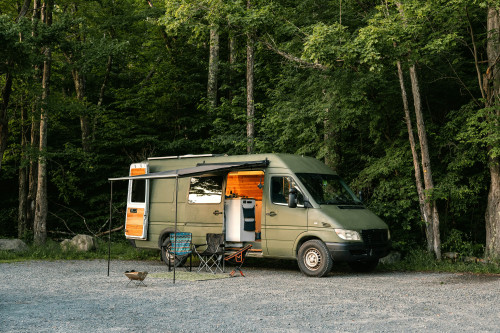
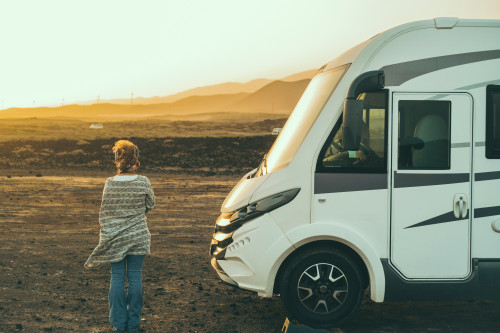
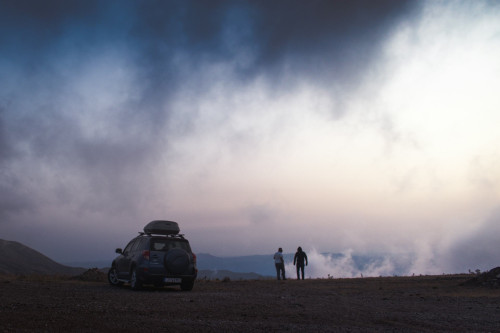
Routes That Make the Journey the Destination
Europe is filled with iconic drives that seem tailor-made for road trips:
- Germany’s Romantic Road (Romantische Straße) – from Würzburg to Füssen through medieval towns, vineyards, and fairytale castles.
- France’s Route Napoléon – a historic drive from Cannes to Grenoble through mountain landscapes and charming villages.
- Italy’s Amalfi Coast – narrow roads, dramatic cliffs, and breathtaking views of the Mediterranean.
- Scotland’s North Coast 500 – a 500-mile loop through rugged highlands and coastal scenery.
- Croatia’s Adriatic Highway (D8) – from Rijeka to Dubrovnik with sea views and easy access to island-hopping adventures.
No matter which route you choose, it’s often the small, unplanned stops that make the trip unforgettable — a roadside café, a local festival, or a quiet overlook you stumble upon by chance.
Preparation and Essentials
A European road trip doesn’t require much gear, but a little preparation goes a long way. Make sure your car is in good condition: check oil, tire pressure, windshield fluid, and brakes before you go. Bring along:
- Warning triangle, reflective vests, and a first-aid kit – required by law in many countries.
- An International Driving Permit – needed in some non-EU countries.
- Maps and GPS – even if you rely on your phone, a paper map is a good backup.
- Snacks, water, and blankets – especially useful if you’re traveling with kids.
- Chargers and adapters – European outlets vary, so pack the right plugs.
If you’re driving an electric vehicle, plan your charging stops in advance. Many apps show charging stations across Europe, and more hotels now offer EV charging as part of their amenities.
Traveling Sustainably — Even on Four Wheels
While driving may not seem like the most eco-friendly way to travel, there are plenty of ways to reduce your footprint. Drive efficiently, avoid unnecessary idling, and choose accommodations that prioritize sustainability. Consider combining driving with cycling — many destinations offer bike rentals so you can explore locally without the car.
If you’re traveling with friends or family, sharing one vehicle reduces emissions per person. And remember: the best part of a road trip is often the connection to nature — so take care of it along the way.
Being Present on the Road
A road trip isn’t just about getting from point A to point B — it’s about being present in the journey itself. Turn off autopilot and let the drive become a break from everyday routines. Listen to a good podcast, sing along to your favorite songs, or simply enjoy the silence and the scenery.
If you’re traveling with family, make the drive part of the adventure: play road games, tell stories, or let the kids choose the next stop. These shared moments often become the memories that last longest.
Where to Stay and What to Eat
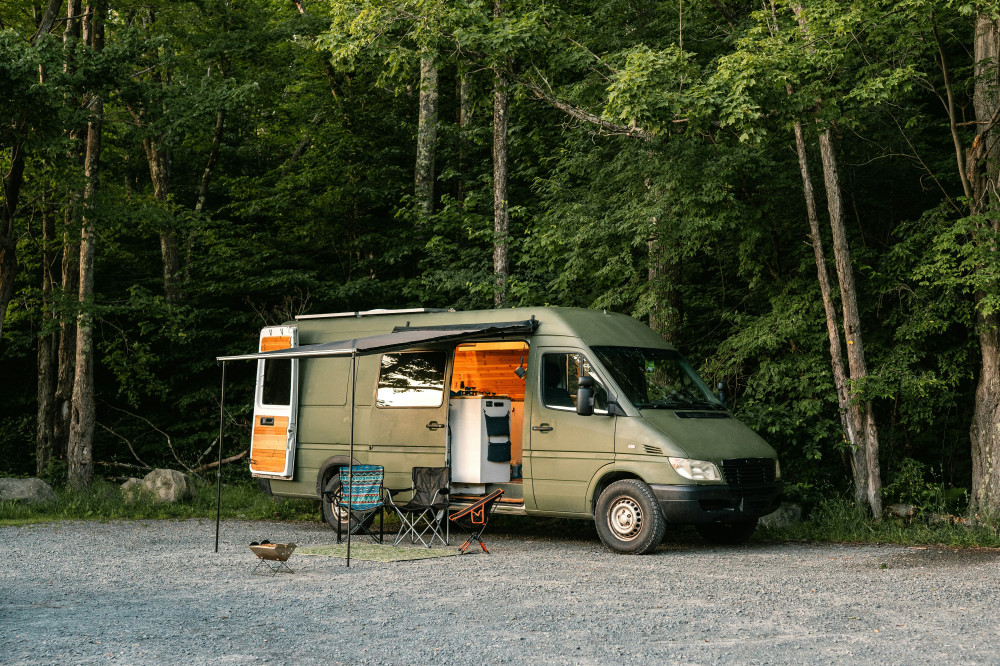
One of the biggest perks of a road trip is the flexibility in where you stay. You can mix and match — a few nights camping in nature, followed by a cozy bed-and-breakfast or a boutique hotel in a city.
Food is a highlight of any European journey. Skip the highway rest stops and eat where the locals do. A small trattoria in Italy, a countryside inn in Germany, or a seaside taverna in Greece will give you a far richer experience than a quick fast-food meal.
A Road Trip as a Pause from Everyday Life
In a world where everything is planned down to the minute, a road trip can be a refreshing escape. It’s a chance to take each day as it comes and to reconnect — with yourself, your travel companions, and the world around you. It’s not about checking off the most sights, but about feeling the journey itself.
So next time you’re planning a vacation, remember: you don’t have to fly far to feel free. Sometimes, the adventure begins the moment you turn the key and hit the open road.
Læs også: