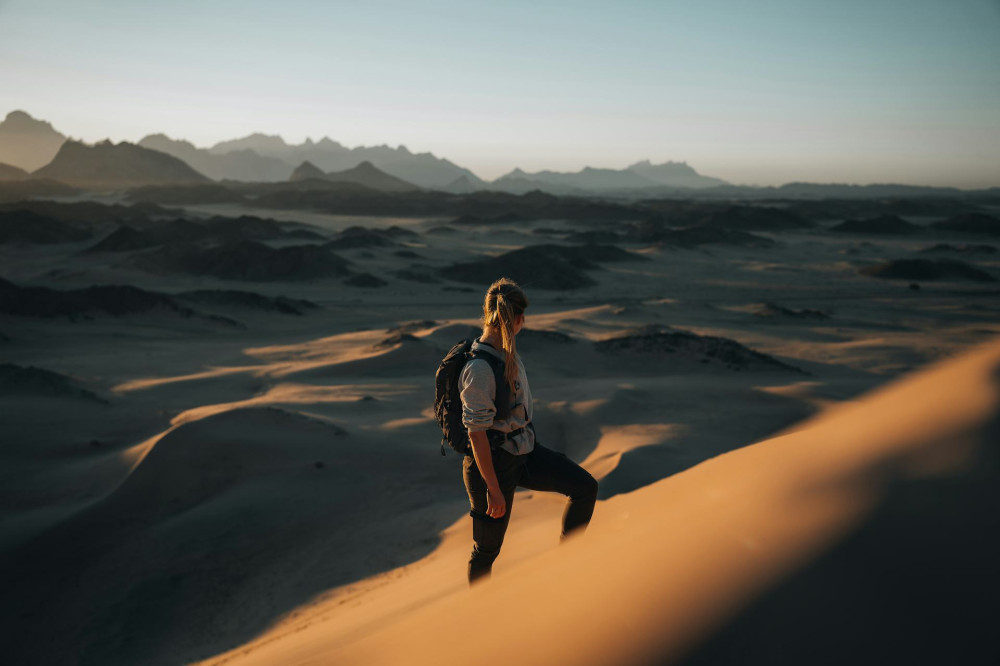
Learn Local Phrases with Your Travel Guide as Your Language Helper


Learn Local Phrases with Your Travel Guide as Your Language Helper
Traveling isn’t just about seeing new places – it’s about connecting with people and understanding their way of life. And nothing opens doors quite like a few words in the local language. Whether you’re ordering coffee in Paris, asking for directions in Seoul, or greeting vendors at a market in Mexico City, a handful of local phrases can make a world of difference. With your travel guide as your language helper, you can quickly pick up the essentials and enjoy a more authentic experience.
Why Local Phrases Matter
Speaking even a little of the local language shows respect and curiosity about the culture. It often leads to smiles, friendliness, and genuine interactions with the people you meet. Many travelers find that a simple “thank you” or “hello” in the local tongue can completely change the tone of an encounter.
Language also gives you access to experiences you might otherwise miss. You’ll understand menus, signs, and local recommendations more easily – and you’ll gain insight into how people think and express themselves. It makes your journey richer and more memorable.
Læs også:




Use Your Travel Guide as a Language Partner
Most modern travel guides include short language sections with useful words and phrases. These can range from greetings and numbers to sentences you can use in restaurants, hotels, or on public transportation. Don’t just treat them as reference material – use them as learning tools.
- Read aloud – repeat the words to get the pronunciation right. Many guides now include audio links or QR codes for pronunciation examples.
- Make flashcards – jot down key words on small cards or in your phone for quick access.
- Practice daily – spend five minutes each morning learning two or three new words. It’s manageable and effective.
- Use the language in real life – try ordering food, asking for directions, or greeting locals. Most people appreciate the effort, even if you make mistakes.
Digital Tools on the Go
If you’re traveling with a smartphone, there are plenty of apps that can complement your travel guide. Google Translate, Duolingo, and Babbel are popular choices, and many apps now work offline – handy when you’re out of Wi-Fi range.
Combine technology with your printed or digital guide. The guide gives you cultural context and travel tips, while the app helps with pronunciation and quick translations. Together, they make a powerful team.
Learn Through Experiences
Language sticks best when it’s tied to real experiences. Try connecting words to what you see and do. When you buy fruit at a market, learn the names of the fruits. When you ride the train, listen to how station names are pronounced. This makes the language come alive and easier to remember.
You can even turn it into a game: challenge yourself to have a short conversation in the local language each day or learn five new words before bed. It keeps learning fun and motivating.
Respect the Language and Culture
As you dive into a new language, remember that cultural nuances matter. In some places, direct forms of address can seem rude, while in others, a casual tone is perfectly fine. Your travel guide often includes small notes on how to greet, thank, and show respect in different situations.
Learning local phrases isn’t about speaking perfectly – it’s about showing openness and curiosity. It’s a way to build bridges between cultures, and that’s what makes travel so rewarding.
A Small Effort with a Big Impact
You don’t need to hold long conversations to benefit from learning the language. Even a few simple words can make your trip more personal and meaningful. With your travel guide as your language helper, you have a reliable starting point – and you’ll find that the world opens up a little more each time you try a new phrase.
So next time you pack your bags, don’t just bring your passport and sunscreen – bring a few local words too. They might just be your best ticket to unforgettable experiences.
Læs også: